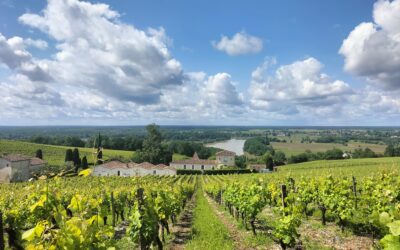
A Sauternes wine tour offers one of the most unique experiences in Bordeaux. This small, golden appellation sits south of the city. Morning mists rise from the Ciron river and linger over the vines. These conditions create wines of extraordinary complexity, sweetness and longevity.
However, Sauternes remains one of Bordeaux’s most undervisited regions. Many travelers focus on the Médoc or Saint-Émilion instead. As a result, those who do visit discover an intimacy that is increasingly rare in fine wine tourism. This guide helps travelers plan a Sauternes wine tour that goes beyond the surface — into the cellars, the vineyards and the stories behind the world’s most celebrated sweet wines.
Key takeaways from this article
- Sauternes produces some of the world’s most complex sweet wines, made possible by a unique natural phenomenon called noble rot
- The appellation is home to legendary estates including Château d’Yquem, widely considered the greatest sweet wine producer in the world
- A guided Sauternes wine tour unlocks châteaux and tasting experiences that independent travelers rarely access
What makes Sauternes unique?
Noble rot makes Sauternes possible. Scientists call it Botrytis cinerea. It attacks ripe grapes under specific conditions. Moreover, it concentrates their sugars, acids and flavors into something extraordinary.
The conditions for noble rot are very specific. First, morning mists rise from the Ciron river. This small tributary flows through the appellation and creates the humidity the fungus needs. Then, warm dry afternoons slow the mold’s progression. As a result, the fungus concentrates the grapes rather than destroying them.
Furthermore, the harvest demands remarkable patience. Pickers pass through the vineyard multiple times. They select only grapes affected to exactly the right degree. In some years, this process lasts weeks or even months. Consequently, each vintage becomes an act of faith.
According to Bordeaux.com, Sauternes and Barsac together cover approximately 2,700 hectares. Therefore, they rank among the smallest and most specialized wine regions in Bordeaux.
Understanding Sauternes wine
A Sauternes wine tasting guide must explain what goes into the bottle. Three grape varieties produce Sauternes. Each one contributes something distinct to the final wine.
Sémillon
Sémillon dominates most Sauternes blends. Winemakers value it because noble rot penetrates its thin skin easily. As a result, the grape concentrates its sugars with remarkable efficiency. Moreover, Sémillon contributes body, texture and the characteristic honeyed richness of the appellation.
Sauvignon Blanc
Winemakers use Sauvignon Blanc in smaller proportions. Nevertheless, it plays a crucial role. It brings freshness, acidity and aromatic lift to the blend. In addition, it prevents the wine from becoming cloying. Consequently, the balance between sweetness and vivacity defines a truly great Sauternes.
Muscadelle
Some producers use Muscadelle sparingly. However, its contribution is significant. It adds a floral, perfumed dimension to the wine. Furthermore, it complements the richness of Sémillon and the freshness of Sauvignon Blanc beautifully.
Together, these varieties create wines of extraordinary complexity. For example, flavors of apricot, peach, ginger, saffron and beeswax emerge over decades in the cellar. Therefore, the greatest Sauternes reward patient collectors and curious travelers alike.
Top châteaux to visit in Sauternes
Planning the best Sauternes châteaux to visit requires understanding the classification system. In 1855, the region received its own classification. Château d’Yquem earned a category above all others — Premier Cru Supérieur. Moreover, 26 further châteaux received Premier Cru or Deuxième Cru status.
Château d’Yquem
Château d’Yquem stands at the undisputed pinnacle of Sauternes. Many consider it the greatest sweet wine producer in the world. The estate produces, on average, one glass of wine per vine per year. Furthermore, visits require advance booking. Nevertheless, the experience rewards every effort made to arrange it.
Château Suduiraut
Suduiraut consistently produces wines of remarkable richness and elegance. Its 17th-century château and gardens deserve special attention. Le Nôtre — the landscape architect of Versailles — designed them. As a result, the estate ranks among the most beautiful in the entire Bordeaux region.
Château Rieussec
Rieussec sits on one of the highest points in the appellation. This elevated position gives it a slightly different microclimate from its neighbors. Consequently, the wines develop distinctive mineral depth alongside characteristic Sauternes richness.
Château Climens
Climens sits in the neighboring appellation of Barsac. However, most experts consider it one of the finest producers in all of Sauternes. Its wines show a freshness and elegance that sets them apart. Moreover, their complexity and longevity rival the greatest estates in the appellation.
Family-owned boutique estates
Beyond the classified growths, smaller family-owned properties produce wines of remarkable quality. Furthermore, these estates offer some of the most intimate tasting experiences in the appellation. Local connections provide access to these hidden gems. Therefore, traveling with a knowledgeable guide makes all the difference.
What to expect during a Sauternes wine tasting
A sweet wine Bordeaux tour in Sauternes demands a different approach. These wines reward slowness and contemplation. Moreover, their aromatic complexity unfolds gradually in the glass. Therefore, visitors should resist the urge to rush.
A typical Sauternes château visit includes several stages. First, guides lead a vineyard tour explaining how noble rot develops. Then, visitors explore the cellars where fermentation and aging take place. Finally, a structured tasting reveals several vintages side by side.
Key vocabulary helps visitors follow the experience:
- Botrytized — grapes affected by noble rot, resulting in concentrated sugars and complex flavors
- Residual sugar — the sweetness remaining in the wine after fermentation, measured in grams per liter
- Trie — a single pass through the vineyard to select grapes at the right stage; great estates may make five or six tries per harvest
- Liquoreux — the French term for the richest, sweetest style of Sauternes
Best food pairings with Sauternes
Many travelers assume sweet wines belong only with dessert. However, this misses the point entirely. Sauternes pairs brilliantly with savory food. In fact, its greatest pairings are often the most unexpected.
Foie gras
Foie gras and Sauternes represent the most celebrated pairing in French gastronomy. The wine’s acidity cuts through the richness of the liver. Meanwhile, its sweetness amplifies the savory depth. As a result, each element enhances the other in a combination that is impossible to forget.
Roquefort
Roquefort surprises most first-time visitors. Nevertheless, it creates one of the most revelatory pairings in the Sauternes repertoire. The cheese’s salt and intensity contrast strikingly with the wine’s sweetness. Furthermore, the wine’s acidity balances the pungency of the blue perfectly.
Seared scallops
Scallops offer a more unexpected pairing. However, the combination works with remarkable elegance. The natural sweetness of scallops harmonizes with the wine’s richness. Moreover, the caramelization from searing creates a bridge between savory and sweet.
Fruit tarts and pastries
When pairing Sauternes with dessert, choose preparations that are not too sweet. For example, apricot tart, tarte tatin and almond-based pastries work particularly well. Consequently, the wine’s complexity remains the focus rather than competing with excessive sugar.
Aged hard cheeses
Comté, Ossau-Iraty and Beaufort all pair beautifully with Sauternes. The salt and crystalline texture of aged hard cheeses counterpoint the wine’s sweetness effectively. Furthermore, the nutty, caramelized flavors in the cheese echo similar notes in the wine.
When is the best time to visit Sauternes?
Sauternes welcomes visitors year-round. However, different seasons offer different rewards.
- Autumn (September–November) — the harvest is underway and noble rot is visible in the vineyards. Watching pickers select individual grapes with extraordinary precision is one of the most memorable experiences in wine tourism. Moreover, the golden light of autumn transforms the landscape into something truly spectacular.
- Spring (March–May) — the estates are unhurried and the vineyards are coming back to life. Furthermore, châteaux have more time for longer and more personal visits. Therefore, spring suits travelers who value depth over spectacle.
- Summer (June–August) — the vineyards are lush and green and most châteaux are fully open. However, visitor numbers increase during peak season. Nevertheless, Sauternes remains far quieter than Saint-Émilion or the Médoc.
- Winter (December–February) — the estates are almost entirely free of visitors. As a result, winemakers have more time for extended conversations. Therefore, winter suits travelers seeking an intimate and unhurried experience.
According to Wine-Searcher, harvest timing varies significantly from year to year. Consequently, each autumn visit offers a genuinely different experience.
Tips from a local expert
Years of guiding travelers through Sauternes have taught the Sud Ouest Way team some important lessons. Here are the most valuable ones.
- Book Château d’Yquem well in advance. The estate does not accept walk-in visitors. Moreover, appointments fill quickly. Therefore, traveling with Sud Ouest Way ensures seamless arrangements.
- Taste across vintages. Sauternes reveals its true character over time. In addition, the contrast between a young and a mature vintage is one of the most educational experiences in wine. Therefore, always accept the opportunity to taste older wines.
- Explore beyond the classified estates. Some of the most memorable tastings happen at smaller family-owned properties. Furthermore, these estates offer exceptional value and genuinely warm hospitality. Consequently, they often become the highlight of the visit.
- Combine Sauternes with food. The appellation’s greatest wines reveal themselves best at the table. For example, a lunch featuring foie gras with Sauternes transforms a tasting into a complete gastronomic experience.
- Allow a full day. Sauternes rewards travelers who slow down. Moreover, rushing between estates misses the point entirely. Therefore, resist the temptation to pack too much into a single visit.
How Sud Ouest Way designs Sauternes experiences
Sud Ouest Way brings deep local knowledge to every Sauternes visit. Furthermore, the team maintains established relationships with estates at every level of the classification. As a result, travelers gain access to experiences that independent visitors rarely discover.
A Sud Ouest Way Sauternes experience includes several key elements:
- Pre-arranged visits to the appellation’s finest estates, including properties not accessible to independent visitors
- Expert guidance throughout each visit, providing context on the wines, the vintages and the stories behind the estates
- Carefully curated food pairings integrated into the day — ensuring wines are experienced in their most natural context
- Seamless travel in a premium vehicle, allowing guests to focus entirely on the experience
- Full flexibility to combine Sauternes with other Bordeaux appellations, creating a complete picture of the region’s diversity
FAQ – Sauternes wine tour
Can you visit Château d’Yquem?
Yes, but the estate requires advance booking. Walk-in visitors cannot access the property. However, specialist agencies like Sud Ouest Way arrange these appointments as part of a tailor-made itinerary. The experience is genuinely extraordinary and well worth the planning required.
Is Sauternes suitable for visitors who don’t usually drink sweet wine?
Absolutely. Many red wine drinkers discover a profound appreciation for Sauternes during a guided tasting. Moreover, the wines’ complexity, acidity and food-friendliness make them far more versatile than their reputation suggests. Therefore, first-time visitors should approach Sauternes with an open mind.
How far is Sauternes from Bordeaux city?
The appellation sits approximately 40 kilometers southeast of Bordeaux city. Furthermore, the drive takes around 45 minutes by road. As a result, Sauternes works perfectly as a day trip from the city or combined with neighboring appellations such as Graves and Pessac-Léognan.
What is the difference between Sauternes and Barsac?
Barsac is a neighboring appellation producing wines in a similar style. However, Barsac wines tend to be slightly lighter and more delicate. Moreover, producers have the option to label their wines as either Barsac or Sauternes. Consequently, some of the appellation’s greatest wines appear under both names.
How should Sauternes be served?
Serve Sauternes slightly chilled — around 10 to 12 degrees Celsius. Serving it too cold masks its aromatic complexity. However, serving it too warm allows the sweetness to overwhelm. Furthermore, older vintages benefit from being opened an hour before serving. As a result, their full complexity has time to develop in the glass.
Plan your Sauternes wine tour with Sud Ouest Way
A Sauternes wine tour rewards every traveler who makes the effort to visit. This small, golden appellation defines by a unique natural phenomenon and shaped by centuries of human dedication deserves far more attention than it typically receives.
Sud Ouest Way designs every aspect of the Sauternes experience with care. Moreover, the team integrates food pairings, expert guidance and exclusive estate access into every visit. As a result, travelers experience the full depth of this extraordinary appellation rather than just its surface.
To start planning your bespoke Sauternes wine tour, contact the team at hello@sudouestway.com or reach out directly on WhatsApp at +33 6 50 65 31 05.