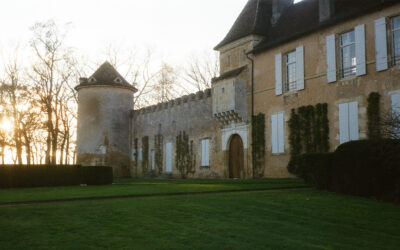
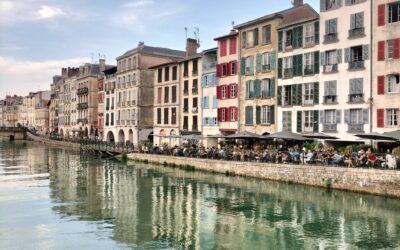
Choosing between a Saint-Émilion vs Médoc wine tour is one of the most common dilemmas for Bordeaux travelers. Both regions produce wines of extraordinary quality. Moreover, both offer memorable château experiences. However, they could not be more different in character, landscape and atmosphere.
Saint-Émilion is a medieval village perched on a limestone plateau. Its vineyards spill down into hidden valleys. The Médoc, in contrast, stretches flat and austere north from Bordeaux city. Furthermore, its grand châteaux read like a roll call of the world’s most prestigious wine estates.
Choosing between them depends entirely on your travel style. This guide, written by local experts who know both regions intimately, helps you make that choice with confidence.
Key takeaways from this article
- Saint-Émilion offers a more intimate, village-based experience with UNESCO heritage, accessible châteaux and Merlot-dominant wines
- The Médoc delivers prestige, grandeur and some of the world’s most celebrated Cabernet Sauvignon estates, best appreciated with advance planning
- Traveling with a local expert guide ensures access to both regions at their finest, with visits arranged far beyond what independent travelers can achieve
Saint-Émilion and Médoc: two very different worlds
To understand the Bordeaux wine tour comparison between these two regions, start with geography. Saint-Émilion sits on the Right Bank. The Médoc occupies the Left Bank. Moreover, the Gironde estuary separates them — and that simple geographical fact explains almost everything.
The Right Bank features clay and limestone soils. Its hillier landscape suits the early-ripening Merlot grape. The Left Bank, however, offers deep gravel beds and a flat horizon. Furthermore, a cooler Atlantic influence here favors the slower-ripening Cabernet Sauvignon.
What this means for the visitor:
- Saint-Émilion feels intimate, historic and human-scale — a village you can walk, with vineyards you can touch from the cobbled streets
- The Médoc feels grand, formal and architectural — a landscape of imposing châteaux set back from long avenues of trees, requiring a vehicle to explore properly
- Both are extraordinary — however, they appeal to different sensibilities and different travel styles
The wines: Left Bank vs Right Bank
The fundamental difference between a Saint-Émilion wine tasting and a Médoc château visit begins in the glass. The two regions produce stylistically distinct wines. Therefore, understanding those differences helps travelers choose the experience that best matches their palate.
Saint-Émilion — Merlot and elegance
Saint-Émilion’s wines center on Merlot, often blended with Cabernet Franc. As a result, they show remarkable approachability — plush, round and expressive even in their youth. Moreover, flavors of ripe red fruit, chocolate and earthy complexity emerge immediately. Consequently, these wines seduce without requiring years of cellaring.
For travelers new to Bordeaux, Saint-Émilion therefore offers the most accessible starting point. Furthermore, its wines suit those who prefer immediate pleasure over structured complexity.
Médoc — Cabernet Sauvignon and structure
The Médoc’s wines center on Cabernet Sauvignon — structured, tannic and built for the long term. In their youth, however, the greatest examples can seem reserved or even austere. Nevertheless, given time, they develop extraordinary complexity. Moreover, layers of dark fruit, cedar, graphite and spice unfold over decades.
For serious wine enthusiasts, the Médoc is therefore essential. However, for travelers seeking immediate pleasure, a knowledgeable guide helps fully appreciate these wines.
According to Bordeaux.com, the 1855 classification ranks the Médoc’s greatest estates into five growths. Furthermore, it remains the most influential wine classification system in the world.
The experience: visiting Saint-Émilion
A Saint-Émilion wine tasting experience is inseparable from the village itself. Saint-Émilion holds UNESCO World Heritage status — not just for its wines but for its extraordinary landscape. Moreover, its underground cellars and medieval architecture make it genuinely unique in the wine world.
What a visit to Saint-Émilion typically offers:
- The village itself — cobbled streets, Roman ruins, the monolithic church carved entirely from limestone rock, and panoramic views over the vineyards
- A wide range of château visits, from grand classified estates to intimate family properties, many within walking distance of the village center
- An atmosphere that is simultaneously historic and alive — the village is genuinely inhabited, with local shops, restaurants and markets
- Wines that are approachable and immediately enjoyable, making tastings accessible to visitors of all levels
- A compact geography that allows multiple visits in a single day without extensive driving
Saint-Émilion particularly suits first-time visitors and couples seeking a romantic atmosphere. Furthermore, travelers who want to combine wine with cultural discovery find it especially rewarding. As a result, it consistently ranks among the most naturally welcoming wine destinations in France.
The experience: visiting Médoc
A Médoc château visit is a fundamentally different proposition. The Médoc is not a village — it is a landscape. Furthermore, it stretches 80 kilometers north from Bordeaux city along the left bank of the Gironde. Its châteaux spread across the peninsula, each one a statement of architectural ambition as much as viticultural excellence.
What a visit to the Médoc typically offers:
- Access to some of the world’s most celebrated wine estates — Château Margaux, Château Latour, Château Mouton Rothschild and dozens of others
- Architectural grandeur — the classified châteaux rank among the most beautiful buildings in France, set within landscaped grounds reflecting centuries of investment
- A more formal visit experience — many top estates require appointments made well in advance
- Wines of extraordinary depth and aging potential — tastings often include current releases alongside older vintages
- The scenic Route des Châteaux — driving north through the Médoc, with classified estates appearing on both sides, is one of the great wine tourism experiences in the world
The Médoc best suits travelers with some existing wine knowledge. However, anyone traveling with a local expert who provides context and opens exclusive doors will find it equally rewarding. Furthermore, the greatest estates are not always the most accessible — but with the right connections, they offer experiences of remarkable depth.
Which wine tour suits your travel style?
The most honest answer to which Bordeaux appellation to visit is simple — it depends on who you are as a traveler. Both Saint-Émilion and the Médoc are extraordinary. However, they reward different kinds of curiosity.
Choose Saint-Émilion if you:
- Are visiting Bordeaux for the first time and want an accessible, beautiful introduction
- Prefer wines that are immediately pleasurable and approachable without requiring deep wine knowledge
- Want to combine wine with cultural and architectural discovery in a compact, walkable setting
- Are traveling as a couple seeking a romantic, intimate atmosphere
- Have limited time and want to experience multiple estates in a single day
Choose the Médoc if you:
- Are a serious wine enthusiast who wants to taste the wines that established Bordeaux’s global reputation
- Are interested in the history and architecture of the great classified estates
- Want to experience the formal, prestigious side of Bordeaux wine culture
- Have time for a more structured, pre-arranged visit experience
- Are traveling with a local expert who can arrange access to estates not open to independent visitors
Choose both if you:
- Want a complete picture of Bordeaux’s extraordinary diversity
- Have at least two full days available for wine tourism
- Are traveling with Sud Ouest Way, whose local expertise makes a combined itinerary genuinely exceptional
Can you visit both in one trip?
The good news is that Saint-Émilion and the Médoc are not mutually exclusive. Furthermore, for travelers with two or more days available, a combined itinerary offers the most complete introduction to the best Bordeaux wine region to visit.
A typical two-day combined itinerary with Sud Ouest Way looks like this:
- Day 1 — Saint-Émilion and the Right Bank: morning visit to the village, a private tasting at a classified estate, lunch in a local restaurant, afternoon visit to a family-owned Pomerol property
- Day 2 — The Médoc and the Left Bank: morning visit to a grand Médoc château, a tasting including older vintages, lunch at a château with a gastronomic focus, afternoon exploration of the Route des Châteaux
This structure allows travelers to experience the contrast between the two regions directly. Moreover, tasting the difference between Merlot and Cabernet Sauvignon in their natural context creates a genuinely educational experience. Consequently, most travelers describe a combined visit as the most complete wine experience of their lives.
According to Wine-Searcher, Bordeaux encompasses over 60 appellations across both banks. Therefore, a combined visit only scratches the surface of what this extraordinary region offers.
Tips from a local expert
Years of guiding travelers through both Saint-Émilion and the Médoc have taught the Sud Ouest Way team some important lessons. Here are the most valuable ones.
- Book Médoc visits well in advance. The most prestigious estates require appointments arranged weeks or months ahead. Moreover, last-minute visits to top classified growths are rarely possible without established relationships. Therefore, early planning is essential.
- Visit Saint-Émilion early in the day. The village becomes busy with day-trippers from mid-morning onwards. Furthermore, arriving early allows a more peaceful and personal experience. As a result, the first hours in the village are often the most memorable.
- Don’t judge by price alone. Some of the most memorable tastings happen at smaller, lesser-known properties. Moreover, their wines often represent extraordinary value. Consequently, a local guide who knows these hidden gems makes all the difference.
- Allow time between tastings. Wine tourism is most enjoyable when unhurried. Furthermore, building lunch, walks and quiet moments into the itinerary transforms a tasting schedule into a genuine experience. Therefore, resist the temptation to pack too much into a single day.
- Travel in spring or autumn. Both regions are beautiful year-round. However, spring and autumn offer the best combination of mild weather, vineyard activity and château availability.
FAQ – Saint-Émilion vs Médoc wine tour
Which is better for first-time visitors to Bordeaux — Saint-Émilion or Médoc?
Saint-Émilion is generally the more accessible starting point. Its compact village setting, approachable Merlot-based wines and UNESCO heritage make it immediately engaging. However, the Médoc rewards deeper wine knowledge and prior familiarity with Bordeaux’s classification system. Therefore, first-time visitors often find Saint-Émilion the more natural choice.
How far is Saint-Émilion from the Médoc?
The two regions are separated by the Gironde estuary and Bordeaux city. Moreover, a direct journey takes approximately one to one and a half hours by road. A combined visit in a single day is possible — however, two days allows a far more satisfying experience of both regions.
Do I need to book château visits in advance?
For the Médoc’s most prestigious estates, advance booking is essential — often several weeks or months ahead. Saint-Émilion, however, offers more flexibility with shorter notice. Furthermore, traveling with Sud Ouest Way removes this complexity entirely, as visits are arranged as part of the itinerary.
Which region produces better wine — Saint-Émilion or Médoc?
Both regions produce wines of world-class quality. However, the difference is stylistic rather than qualitative. Saint-Émilion’s Merlot-dominant wines are approachable and expressive. The Médoc’s Cabernet Sauvignon-based wines, in contrast, are structured and built for aging. Therefore, the best answer depends entirely on personal preference.
Can Sud Ouest Way arrange visits to both regions in one trip?
Absolutely. Sud Ouest Way specializes in designing tailor-made itineraries that combine both regions seamlessly. Moreover, pre-arranged château visits, expert guidance and a considered pace ensure genuine discovery rather than rushed sightseeing. Consequently, most travelers describe the combined experience as the highlight of their Bordeaux journey.
Plan your Saint-Émilion or Médoc wine tour with Sud Ouest Way
Whether you choose Saint-Émilion, the Médoc, or — most rewardingly — both, the quality of your experience depends enormously on the quality of your guidance. Moreover, Bordeaux’s greatest wine regions reward curiosity, preparation and local knowledge in equal measure.
Sud Ouest Way designs tailor-made wine tours that place travelers at the heart of both regions. Furthermore, every itinerary builds around your interests, your pace and your level of wine knowledge. As a result, the experience always feels personal rather than packaged.
To start planning your bespoke Saint-Émilion or Médoc wine tour, contact the team at hello@sudouestway.com or reach out directly on WhatsApp at +33 6 50 65 31 05.